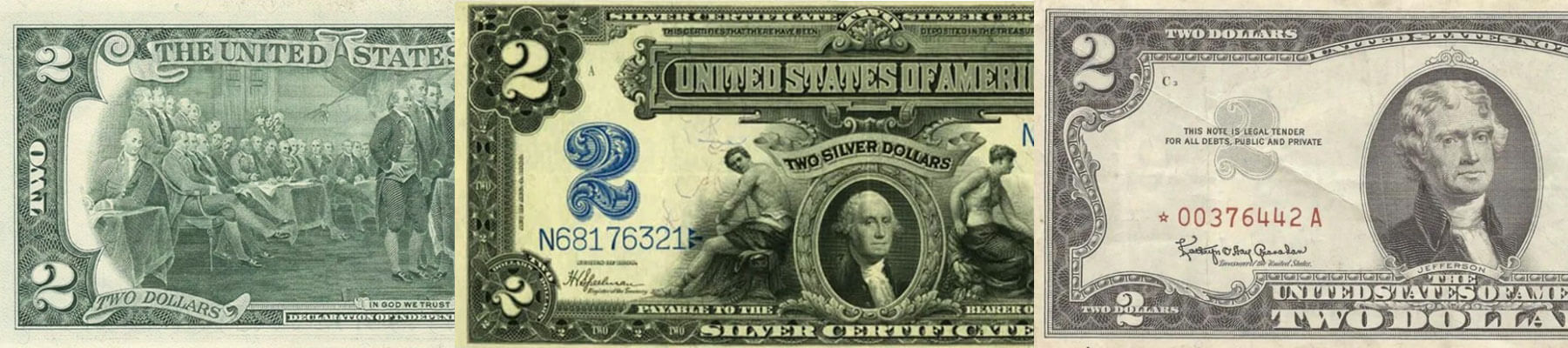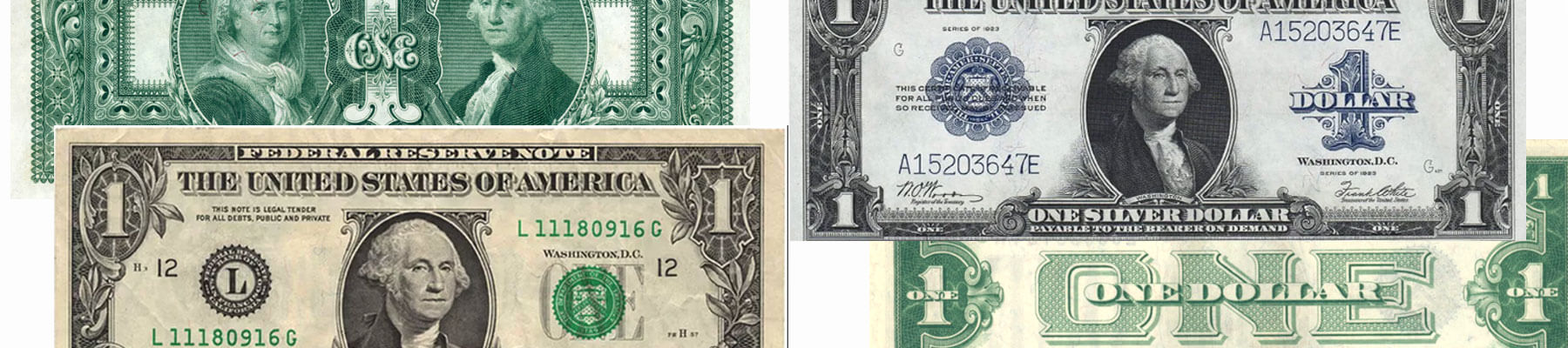
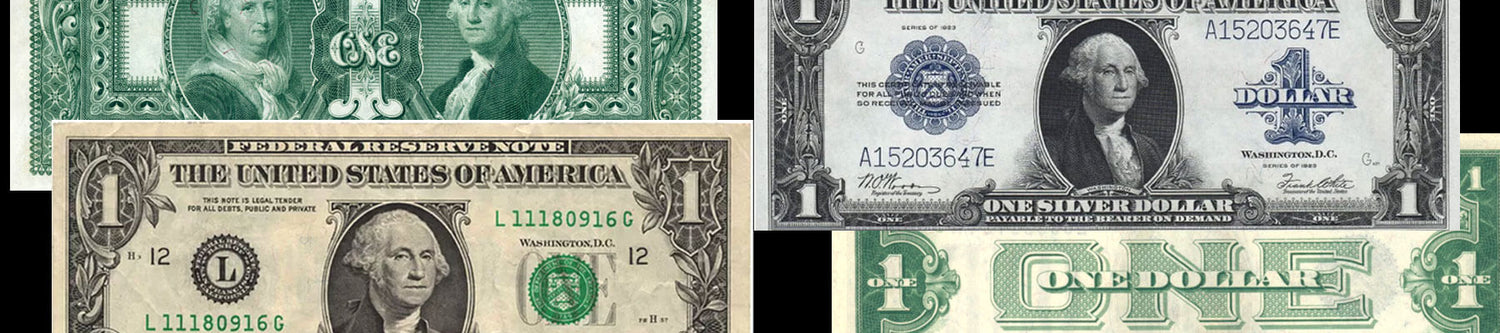
Silver certificates are one of the more accessible areas of U.S. paper money collecting. Common examples are widely available at modest prices, and rarer series — while harder to find — surface regularly through established channels. Knowing where to look, and what to watch for, makes the buying process more straightforward.
Introduction
Unlike some collectible currency that requires access to specialist networks, silver certificates can be found through a range of mainstream and specialist sources. The right source depends on what a buyer is looking for — a common circulated example for a starting collection looks very different from a certified gem star note or a scarce large-size issue. This article covers the primary buying channels and what each one offers.
Coin and Currency Dealers
Established coin and currency dealers are often the most reliable source for silver certificates, particularly for buyers who want to examine notes in person or who are new to the hobby and would benefit from informed guidance.
Reputable dealers carry inventory across condition grades and denomination ranges. They can explain the differences between common and scarce sub-series, point out characteristics that affect value, and provide fair pricing based on current market conditions. For higher-value purchases, working with a dealer who specializes in paper money — rather than one who treats currency as a secondary category — is worthwhile.
Dealers typically buy and sell, which means a good dealer relationship can support both acquiring and eventually selling a collection. Asking about buyback policies before purchasing provides useful context.
Online Marketplaces
Online platforms have made silver certificates broadly accessible to buyers who do not have a local dealer. The primary platforms include:
- Great American Coin Company — Of course, before you go searching, feel free to browse our selection of Silver Certificates. We carry a wide variety of certificates for you to choose from!
- eBay — The largest secondary market for collectible currency. Silver certificates in all grades and series are listed in volume, and completed sale prices provide a real-time benchmark for current market values. Buyers should focus on sellers with strong feedback histories and look for clear, well-photographed listings.
- Heritage Auctions — One of the leading auction houses for numismatic items, including paper money. Heritage handles everything from common circulated notes to high-value rare issues and certified specimens. Realized prices from Heritage auctions are widely referenced as market benchmarks.
- Stack's Bowers — Another major numismatic auction house with regular paper money offerings. Stronger for higher-end material and complete collections.
- Great Collections — An online auction platform focused on coins and currency, with a strong selection of certified notes.
For common examples, eBay tends to offer the widest selection and most competitive prices. For rarer material or certified notes, the major auction houses provide better access to serious collector and dealer competition.
Currency Shows and Conventions
Paper money shows bring together dealers and collectors in a setting that allows in-person examination of notes before purchase. The International Paper Money Show and regional currency shows hosted by organizations such as the Society of Paper Money Collectors (SPMC) and the American Numismatic Association (ANA) are the primary venues.
Shows are particularly useful for buyers pursuing scarce or specialty material — the concentration of specialist dealers in one place increases the odds of finding specific varieties. They also provide an opportunity to develop relationships with dealers who specialize in areas of personal collecting interest.
Estate Sales and Auctions
Silver certificates occasionally surface at general estate sales and non-specialized auctions. When they do, they are sometimes priced without reference to collector value, which can create buying opportunities. Common notes are frequently present; rarer material appears less predictably.
Buyers attending general estate sales should have a basic working knowledge of what to look for — denomination, series, condition, and star note status — to quickly assess whether a note is common or potentially significant. Overpaying at estate sales for common material is a risk when sellers price by age rather than actual collector demand.
Third-Party Certified Notes
For higher-value purchases, buying notes certified by PMG (Paper Money Guaranty) or PCGS Currency provides meaningful protection. Certified notes have been authenticated, graded by professional standards, and encapsulated in tamper-evident holders. The grade and any notable characteristics are printed on the label.
Certified notes eliminate concerns about authenticity and provide a standardized, trusted grade that makes price comparison straightforward. For common circulated silver certificates worth a few dollars, certification is not cost-effective. For uncirculated examples, star notes, experimental varieties, wartime overprints, or any note where the potential value justifies the grading fee, certified notes are the more reliable choice.
What to Look for When Buying
Regardless of source, a few considerations apply consistently:
- Verify the series and sub-series. Common and scarce sub-series can look identical at a glance. Confirm the series date and letter suffix on the face of the note.
- Check for star notes. A ★ in the serial number changes the valuation entirely. Always check before purchasing at a standard note price.
- Assess condition honestly. Folds, tears, staining, and repairs all affect value. For in-person purchases, examine the note under good light.
- Compare recent sales. For any purchase, a quick search of recent sold prices on eBay or Heritage provides a reasonable market reference.
- Ask about returns. Reputable dealers stand behind their inventory. A return policy provides recourse if a note turns out to be misrepresented.
Building a Collection Over Time
Silver certificates reward patient, methodical collecting. Common sub-series are inexpensive starting points that allow new collectors to handle notes, develop grading judgment, and build familiarity with the series before moving to scarcer material.
As a collection develops, focusing on a specific area — high-grade examples of a single series, a complete signature variety set, or specialty issues like experimental notes and wartime overprints — provides direction and makes the pursuit more satisfying. Dealers who know what a collector is looking for will often set aside relevant material as it comes through, which is another reason to cultivate good dealer relationships.
Conclusion
Silver certificates are available through a range of accessible channels, from local dealers and online marketplaces to major auction houses and currency shows. The right source depends on the material being sought and the level of expertise a buyer brings to the transaction. Working with reputable dealers, verifying key characteristics before purchasing, and comparing against recent market prices are the consistent foundations of buying well in any channel.