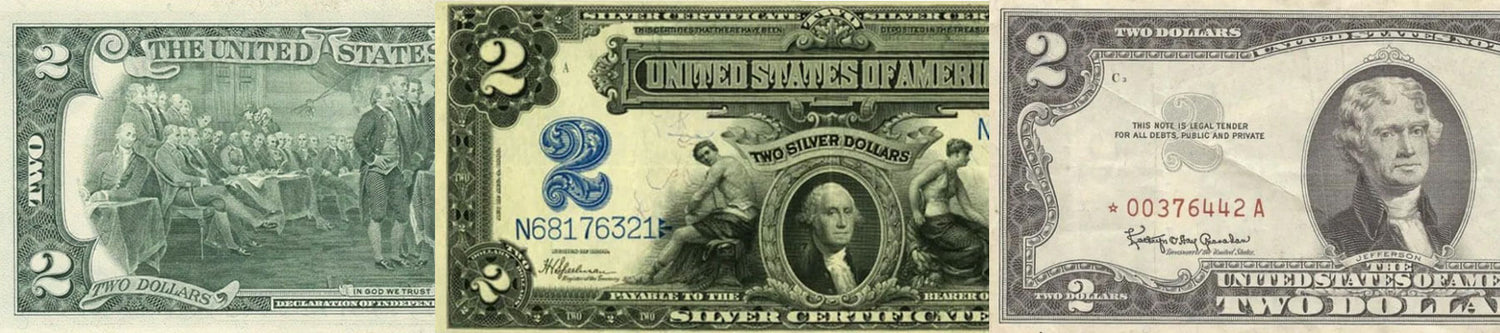
Silver certificates were originally designed to be exchanged for physical silver — that was the entire premise behind them. Today, many people who find or inherit silver certificates want to know whether that redemption right still exists. The short answer is no, but the full picture is more nuanced and worth understanding.
Introduction
The right to redeem silver certificates for silver was formally ended by an act of Congress in 1968. Any silver certificate presented today can be spent as legal tender at face value, but no government authority or financial institution will exchange it for silver. Understanding the history of that change — and what options actually exist for holders today — is useful for anyone deciding what to do with a silver certificate.
When Silver Certificates Were Redeemable
From their introduction in 1878 through most of the 20th century, silver certificates were redeemable for silver. The specific terms of redemption changed over time.
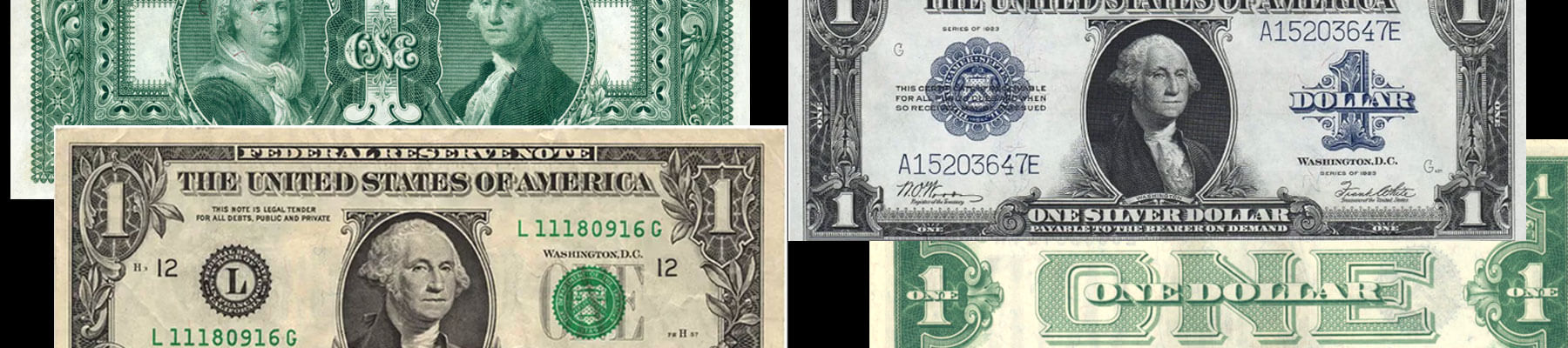
In the early decades, holders could exchange silver certificates for silver coin — actual minted silver dollars. As silver policy evolved, the redemption shifted to silver bullion rather than coin. By the mid-20th century, the Treasury was redeeming silver certificates for silver granules rather than refined bars or coins. The mechanics became less straightforward over time, but the fundamental right — paper notes exchangeable for physical silver — remained in place.
That right was not removed all at once. The process of winding down silver redemption happened in stages across the 1960s as silver prices rose and maintaining the redemption system became increasingly costly for the government.
What Changed in the 1960s
The key turning point was the rising price of silver in the early 1960s. As silver's market value climbed, the metal backing silver certificates became worth more than the face value of the notes. This created an obvious incentive for holders to redeem their certificates for silver and immediately profit on the difference.
In response, President John F. Kennedy signed Executive Order 11110 in June 1963, which — among other monetary policy changes — authorized the Federal Reserve to issue $1 and $2 notes, reducing dependence on silver certificates for small denomination currency.
Production of new silver certificates was subsequently halted, with the last series issued in 1964.
The redemption right itself was addressed separately. Congress passed legislation in 1964 establishing a timeline for ending silver redemption, and on June 24, 1968, the redemption period formally expired. After that date, silver certificates remained legal tender but could no longer be exchanged for silver under any circumstances.
What "Legal Tender" Means Today
Silver certificates are still legal tender. This means they are technically valid for payment of debts and can be accepted in commercial transactions at their face value. A $1 silver certificate is worth one dollar as currency; a $5 silver certificate is worth five dollars.
In practice, most businesses would accept a silver certificate if they recognized it, though many people today have never encountered one. There is no obligation for businesses to accept unusual currency, and a cashier unfamiliar with silver certificates might simply decline.
The important point is that the government stands behind silver certificates as currency at face value. What the government no longer does is exchange them for silver. Those are two separate things, and only the second one ended in 1968.
Can Banks Exchange Silver Certificates?
No. Banks have no obligation or mechanism to redeem silver certificates for silver — that program ended in 1968 and was administered by the U.S. Treasury, not commercial banks. A bank that accepted a silver certificate today would treat it as regular currency at face value only.
Some people assume that the Federal Reserve or Treasury still maintains some exchange program. No such program exists. The redemption window closed permanently more than 50 years ago, and there has been no indication it will ever reopen.
What to Do With a Silver Certificate Today
Given that silver redemption is no longer possible, holders of silver certificates have a few practical options.
- Spend it. Any silver certificate can be used as currency at face value. For a common circulated 1957 $1 note worth $2 to $3 in the collector market, spending it at face value means leaving a small but real amount of value on the table.
- Sell it to a dealer or collector. Most silver certificates are worth more than face value to dealers who buy old currency. Even common circulated examples typically trade above face value, and rarer series, uncirculated notes, or star notes can be worth meaningfully more. Established coin and currency dealers, as well as online marketplaces for paper money, are the primary outlets.
- Keep it as a collectible. Silver certificates are genuine pieces of American monetary history. For those interested in collecting, they represent an accessible entry point — common examples are affordable, the variety within the series is substantial, and the historical context is rich.
- Have it assessed. For anyone unsure of what they have, a brief assessment by a reputable currency dealer can determine whether a note is a common example or something worth pursuing further. Many dealers provide quick informal assessments at no charge.
The Question of Executive Order 11110
Some discussions of silver certificates reference President Kennedy's Executive Order 11110 as related to silver certificate redemption. This order is often mischaracterized in popular accounts. The order actually delegated certain monetary authority to the Treasury Secretary and was related to silver policy more broadly — it did not, by itself, end silver certificate redemption or have the dramatic implications sometimes attributed to it. The formal end of redemption came through subsequent Congressional action in 1968.
Conclusion
Silver certificates cannot be redeemed for silver. That right ended permanently in 1968. The notes remain legal tender at face value and can be spent, sold, or held as collectibles, but no mechanism exists to exchange them for physical silver. For holders trying to decide what to do, the practical choice is between spending them at face value, selling them for their collector value, or holding them as part of a collection. For most common examples, the collector value modestly exceeds face value — making an informed sale the better financial outcome compared to spending them as cash.