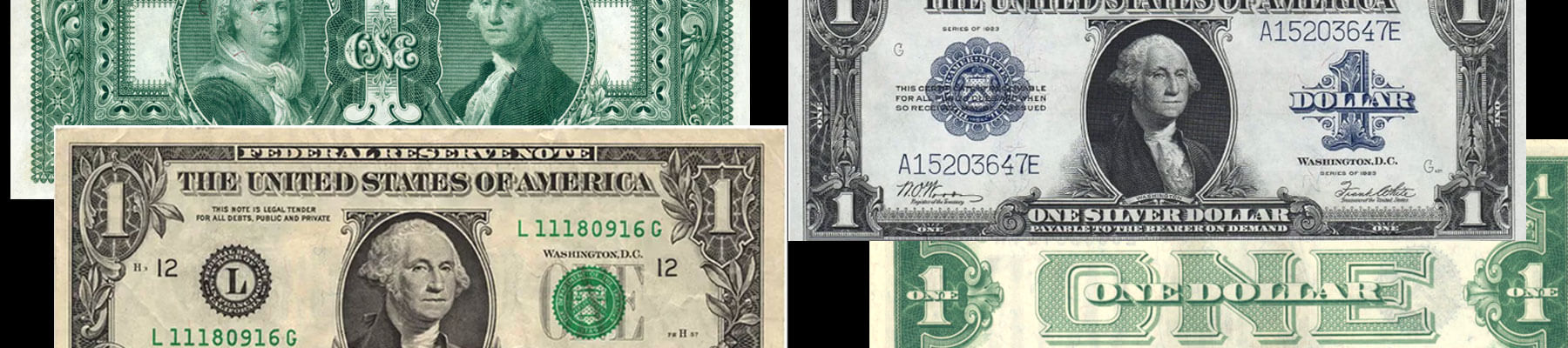
Selling silver certificates is generally straightforward, but the channel chosen and the preparation done beforehand have a real impact on the outcome. Common circulated notes may not command large sums, but rarer series, uncirculated examples, and star notes can be worth meaningfully more than face value — and knowing where to sell ensures that value is captured rather than left on the table.
Introduction
Most people looking to sell silver certificates fall into one of two situations: they have inherited or found a small number of notes and want to convert them to cash, or they are an active collector thinning a collection or selling duplicates. The right selling channel differs somewhat between these scenarios, but the core principles apply to both. Understanding how silver certificates are valued, where buyers are, and what to expect from the transaction process removes most of the uncertainty.
Know What You Have Before Selling
The single most important step before selling is understanding what the notes are worth. Selling without this knowledge risks leaving real money on the table — particularly if any notes are scarcer sub-series, uncirculated, or star notes.
Key things to identify on each note:
- Denomination — $1, $5, $10, or higher
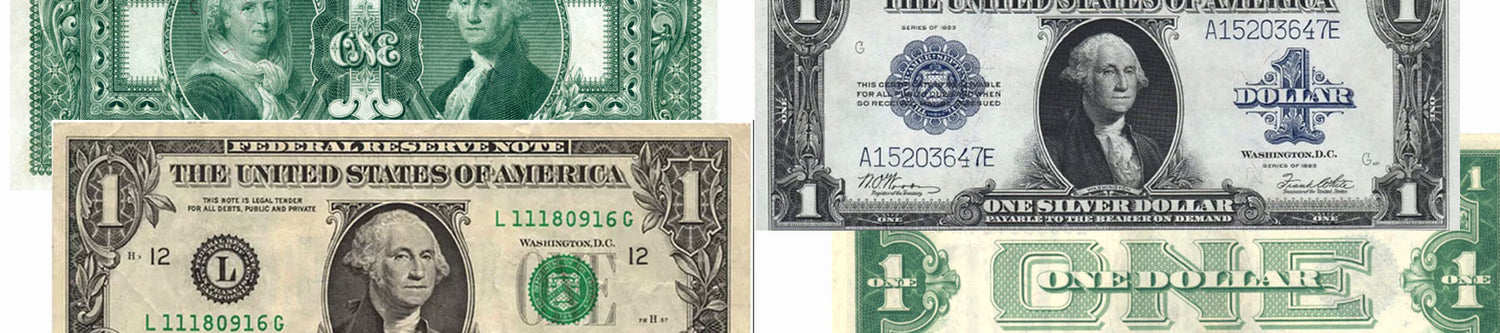
- Series year and sub-series — printed to the right of the portrait (e.g., "Series 1935A" or "Series 1957B")
- Star note status — a ★ in the serial number indicates a replacement note and typically a premium
- Condition — an honest assessment of folds, wear, and any damage
For notes that appear to be uncirculated, from scarcer sub-series, or show specialty characteristics such as wartime overprints or experimental markings, a professional assessment before selling is worthwhile. Knowing what you have prevents underselling.
Coin and Currency Dealers
Established coin and currency dealers are often the most efficient channel for selling silver certificates, particularly for sellers who want a fast transaction and are not interested in the time investment of listing individually online.
Dealers buy silver certificates regularly and can assess and price a group of notes quickly. Offers will be below retail market value — dealers need to account for their own margin and carrying costs — but the process is fast, requires no listing or shipping, and provides immediate payment.
For common circulated notes, dealer offers will reflect the modest market values of those notes. For uncirculated examples, star notes, or scarcer series, a dealer familiar with the paper money market will typically offer more than a general dealer who treats currency as a secondary business. When selling material with potential collector value, seeking out a dealer who specializes in paper money is worthwhile.
Online Marketplaces
Selling online directly to collectors eliminates the dealer margin and typically results in higher realized prices, at the cost of more time and effort.
Great American Coin Company is always in the market for well maintained collections! Simply fill out the form on this page and we'll get in touch so you can offload your Silver Certificates hassle free.
eBay is the largest platform for collectible currency and reaches the widest audience of potential buyers. For common silver certificates, individual listing may not be cost-effective given eBay fees, but small lots — multiple notes grouped together — can sell efficiently. For rarer or higher-value notes, individual eBay listings allow full market exposure. Clear, well-lit photographs showing both the face and back of the note are essential for attracting serious buyers.
Heritage Auctions and Stack's Bowers are the primary options for higher-value material. These auction houses reach serious collectors and dealers and are appropriate for certified notes, scarce series, or collections with significant overall value. Both charge seller's fees, but realized prices at major auction houses typically reflect strong market competition for desirable material.
Great Collections offers another online auction option with lower minimums than the major houses and a strong collector audience for certified currency.
Currency Shows
Paper money shows bring together dealers and collectors in a concentrated environment that can be efficient for selling. Dealers at shows actively buy inventory, and having multiple potential buyers in one place creates the possibility of competitive offers.
Shows hosted by the Society of Paper Money Collectors (SPMC) and the American Numismatic Association (ANA) are the primary venues. For sellers with a meaningful quantity of notes or with specialty material, shows can be worth attending.
When to Consider Grading Before Selling
For notes that may be uncirculated or near-uncirculated, submitting to a third-party grading service before selling can increase realized prices. Certified notes from PMG or PCGS Currency carry more buyer confidence, sell more quickly online and at auction, and often achieve premiums over ungraded examples in comparable condition.
The economics need to be considered carefully. Grading fees vary but typically run $20 to $50 or more per note depending on the service tier chosen. For a note that might sell for $15 ungraded, grading does not make financial sense. For a note that might sell for $75 or more in certified condition, grading fees are easily justified.
Star notes, experimental varieties (like the 1935A "R" and "S" notes), wartime overprints, and scarce sub-series in near-mint condition are the categories where grading most consistently improves selling outcomes.
Selling in Bulk vs. Individually
For sellers with multiple silver certificates, the choice between bulk selling and individual listing has a meaningful impact on total proceeds.
Selling individually — whether online or to a dealer who prices each note separately — maximizes value for better examples but requires more effort. Selling a group of notes together to a dealer as a lot will typically result in a lower per-note price but a faster, simpler transaction.
A practical middle approach: separate clearly common circulated notes from anything potentially scarcer or in better condition. Sell the common material as a bulk lot and pursue individual channels for the better examples.
Avoiding Common Mistakes
A few pitfalls come up regularly when people sell silver certificates:
- Spending them. Silver certificates are legal tender at face value, but almost all are worth more to a collector. Spending a $1 silver certificate as a dollar leaves real money behind.
- Selling to the first buyer without comparison. A quick survey of recent eBay sold prices provides a market baseline that makes any dealer offer easier to evaluate.
- Assuming all silver certificates are equally common. Denomination, sub-series, and star note status vary widely. A quick review before selling prevents inadvertently selling something significant for a common note price.
- Overlooking condition. Notes that appear worn but are free of tears, writing, or repairs are still collectible. Notes with damage — holes, tape, significant staining — have limited collector appeal and may trade near face value regardless of series.
Conclusion
Selling silver certificates is a manageable process when approached with basic preparation. Identifying what you have, choosing the right channel for the material, and comparing offers against market benchmarks are the consistent foundations of a successful sale. Common examples sell quickly through most channels at modest premiums over face value. Rarer and higher-grade material rewards the additional effort of targeting specialist dealers, grading services, or major auction platforms where serious collector demand exists.