

Introduction
One of the most common questions new buyers ask is why the price of gold bullion differs from the gold price they see quoted in the news. The short answer is that bullion pricing involves more than just the spot price of gold.
Understanding how gold bullion is priced helps buyers recognize fair value, avoid confusion, and make confident purchasing decisions. Rather than being arbitrary, bullion prices are built from transparent components that reflect real market costs and conditions.
This article explains how spot price, premiums, and market forces combine to determine the final price of gold bullion.
What Is the Spot Price of Gold?
The spot price of gold is the current market price for one troy ounce of pure gold traded on global commodities markets. It is constantly changing during trading hours as buyers and sellers around the world respond to economic data, currency movements, and geopolitical events.
Spot price reflects the value of large wholesale gold transactions, not the cost of producing or distributing physical bullion products. It serves as the foundation for all gold pricing but is not the final price consumers pay.
When you see gold quoted in financial news, that number refers to the spot price.
Why Physical Gold Costs More Than Spot
Physical gold bullion always sells at a price above spot. This difference is known as the premium.
Premiums exist because producing and delivering physical gold involves real costs. These include refining, minting, quality control, transportation, insurance, and dealer overhead.
Without premiums, physical gold products could not be manufactured or distributed. A premium does not represent overpricing; it reflects the cost of turning raw gold into investable products.
What Determines Gold Bullion Premiums?
Gold bullion premiums vary depending on several factors, including:
- Product type: Coins typically carry higher premiums than bars due to higher minting costs.
- Size and weight: Smaller products often have higher premiums per ounce than larger bars.
- Mint or refiner: Products from well-known mints may command slightly higher premiums due to trust and recognition.
- Market demand: During periods of high demand, premiums can rise even if spot prices remain stable.
Premiums are dynamic and can change independently of the spot price.
Coins vs Bars: Pricing Differences
Gold coins and gold bars are priced differently due to how they are produced and traded.
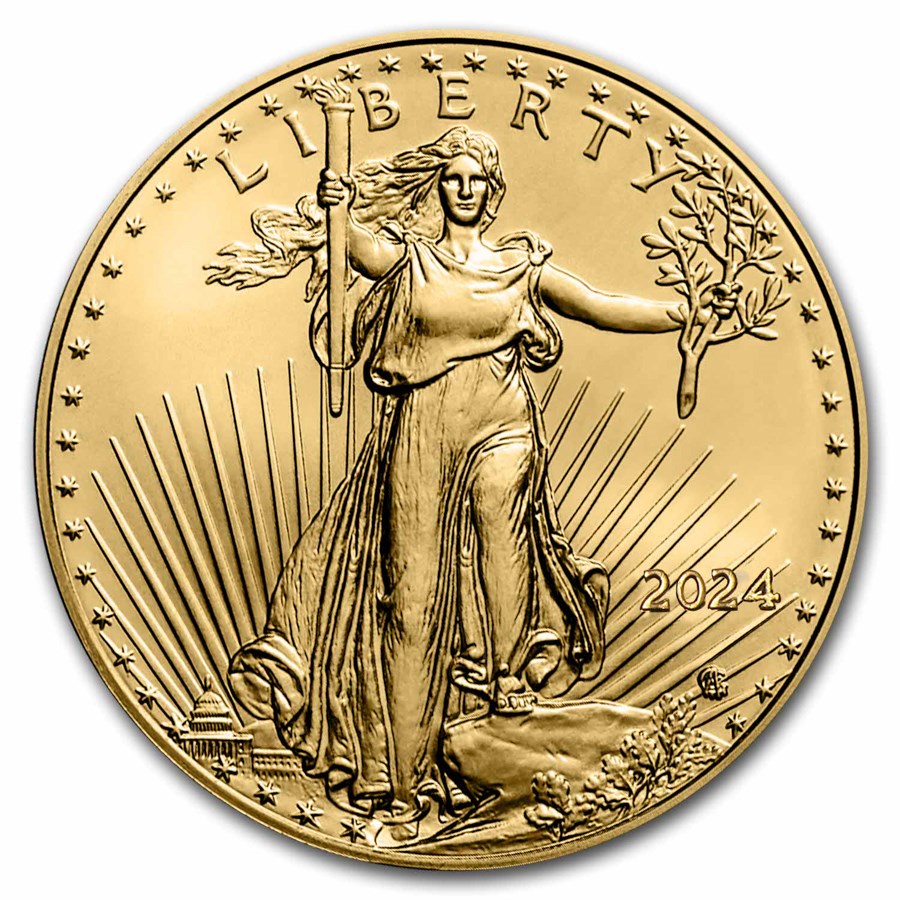
Coins, especially government-issued bullion coins, involve detailed designs, legal tender status, and higher manufacturing costs. These factors contribute to higher premiums.
Gold bars are typically simpler to produce and are available in larger sizes, which spreads production costs over more ounces. As a result, bars generally carry lower premiums per ounce than coins.
Buyers choosing between coins and bars often balance premium costs with liquidity, storage preferences, and personal comfort.
The Role of Supply and Demand
Supply and demand influence both spot prices and premiums. When investor demand for physical gold increases sharply, dealers may sell out of inventory, causing premiums to rise.
Conversely, during periods of lower demand, premiums may decrease even if spot prices remain elevated.
Supply constraints, such as refinery slowdowns or transportation disruptions, can also impact availability and pricing in the physical market.
Dealer Pricing and Transparency
Reputable dealers price gold bullion transparently, clearly showing how their prices relate to the current spot price and applicable premiums.
Pricing consistency, clear buy-back policies, and open communication are indicators of a trustworthy dealer. Buyers should be cautious of prices that seem significantly lower than market averages, as they may signal hidden fees or product issues.
Understanding pricing mechanics empowers buyers to compare offers accurately and avoid confusion.
Should You Try to Time the Market?
Many buyers worry about purchasing gold at the “wrong” price. While short-term price movements can be unpredictable, gold is typically viewed as a long-term asset rather than a short-term trade.
Rather than focusing solely on spot price fluctuations, many investors prioritize:
- Gradual accumulation
- Portfolio balance
- Long-term value preservation
Understanding how pricing works helps buyers focus on fundamentals instead of daily price swings.
Conclusion
Gold bullion pricing is built on a clear foundation: the global spot price plus premiums that reflect real-world costs and market conditions. While spot price sets the baseline, premiums account for the process of turning gold into physical investment products.
By understanding how bullion is priced, buyers can make informed decisions, recognize fair value, and approach gold ownership with confidence rather than uncertainty.