

Introduction
One of the most common points of confusion for new precious metals buyers is the difference between bullion coins and numismatic coins. While both are made from gold or silver and may look similar at first glance, they serve very different purposes and carry very different risks.
Understanding this distinction is critical before making a purchase. Choosing the wrong type of coin for your goals can lead to higher premiums, unexpected price behavior, and difficulty when it comes time to sell.
This article explains how bullion and numismatic coins differ, how each is valued, and which option is best suited for different types of buyers.
What Are Bullion Coins?
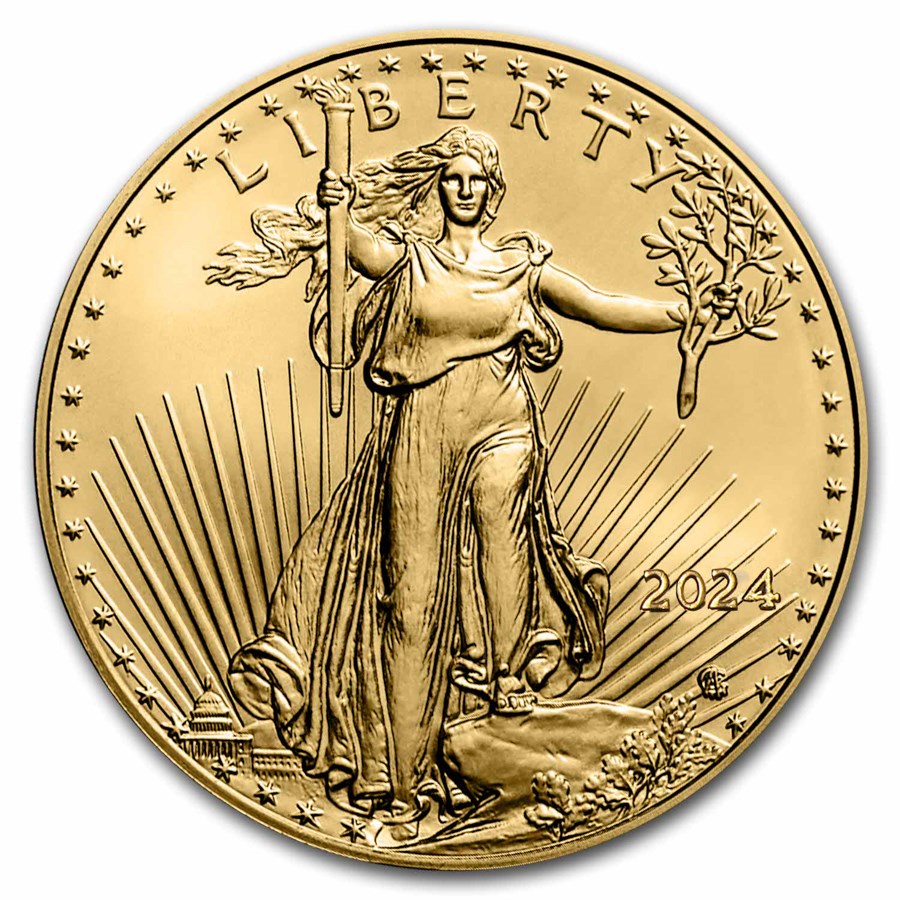
Bullion coins are precious metals products valued primarily for their metal content. Their price is closely tied to the spot price of gold or silver, plus a relatively small premium that covers minting, distribution, and dealer costs.
Common examples of gold bullion coins include:
- American Gold Eagles
- Canadian Gold Maple Leafs
- South African Krugerrands
- Austrian Philharmonics
Silver bullion coins follow the same principle and include widely recognized options like American Silver Eagles and Canadian Silver Maple Leafs.
Bullion coins are produced in large quantities by government mints or reputable private refiners. Their value does not depend on rarity or age, but on weight, purity, and current market prices.
What Are Numismatic Coins?
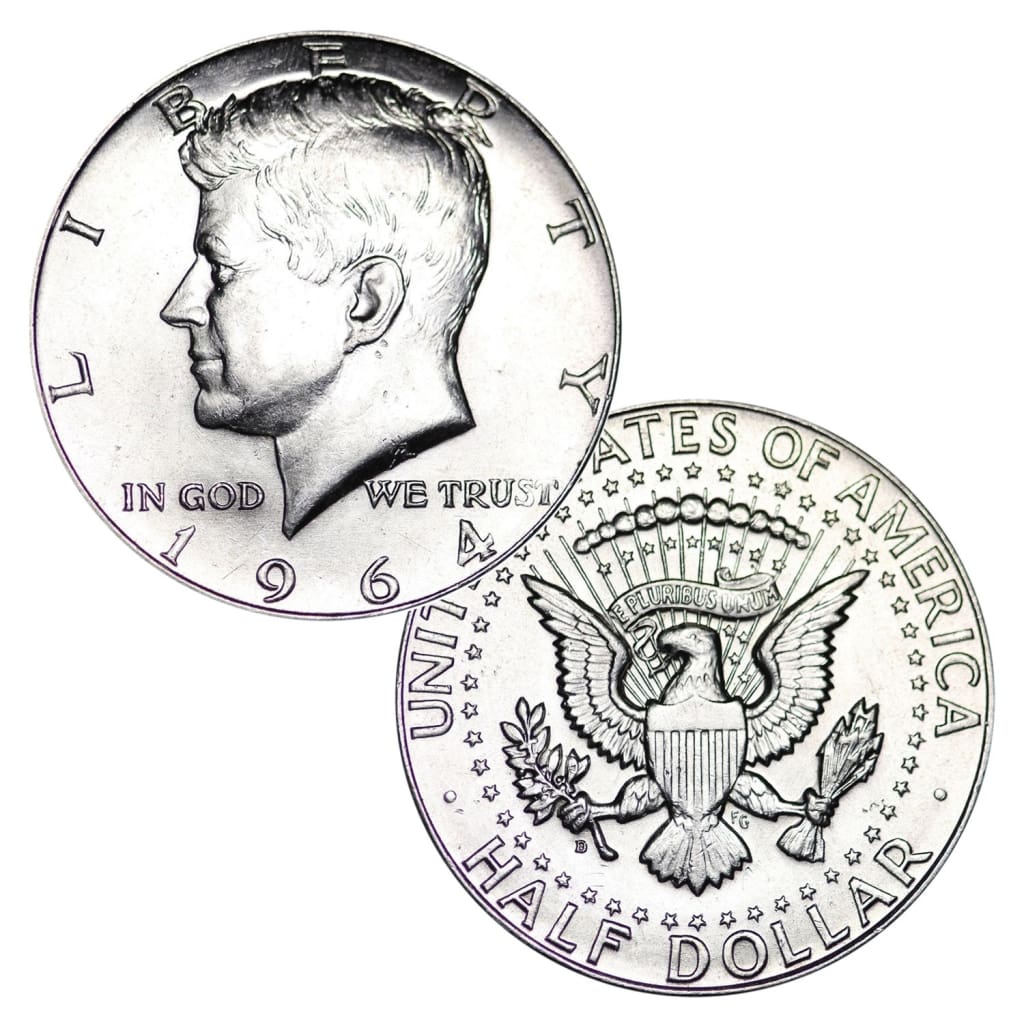
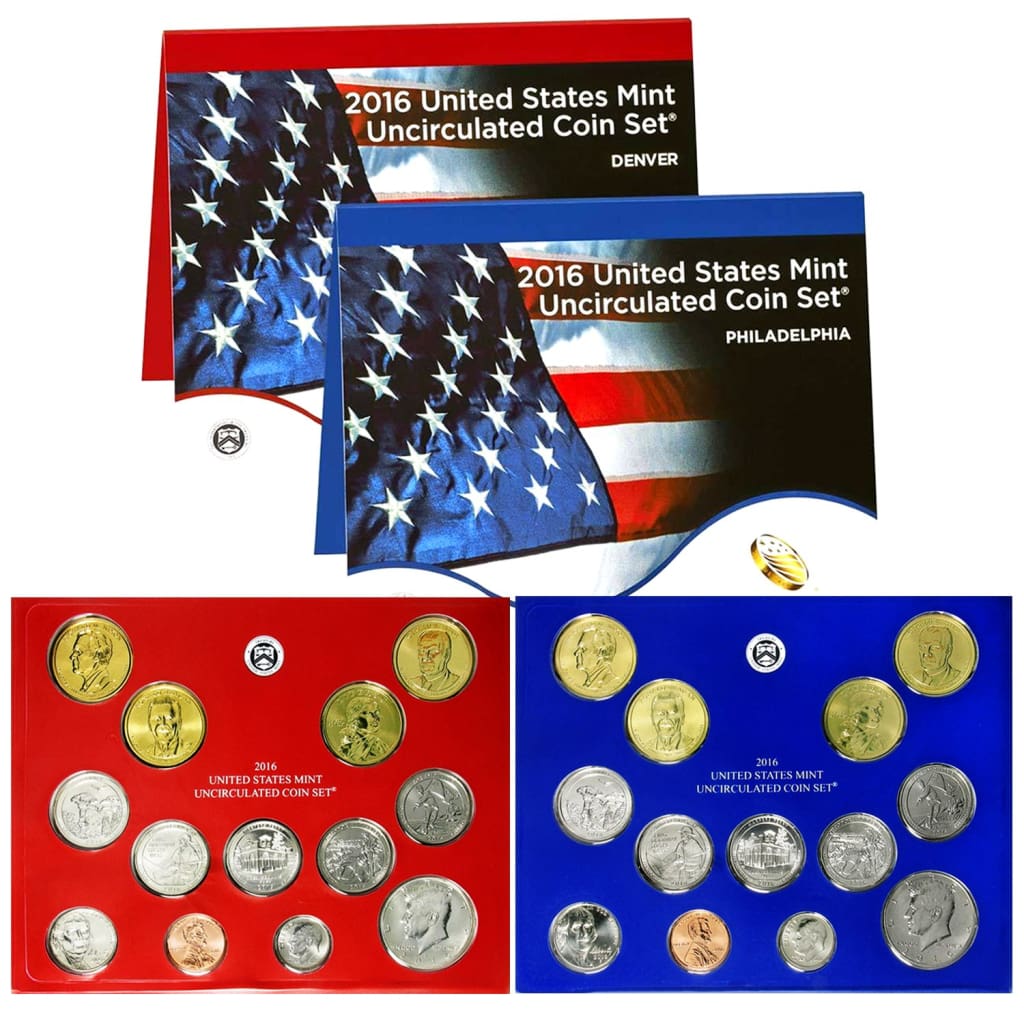
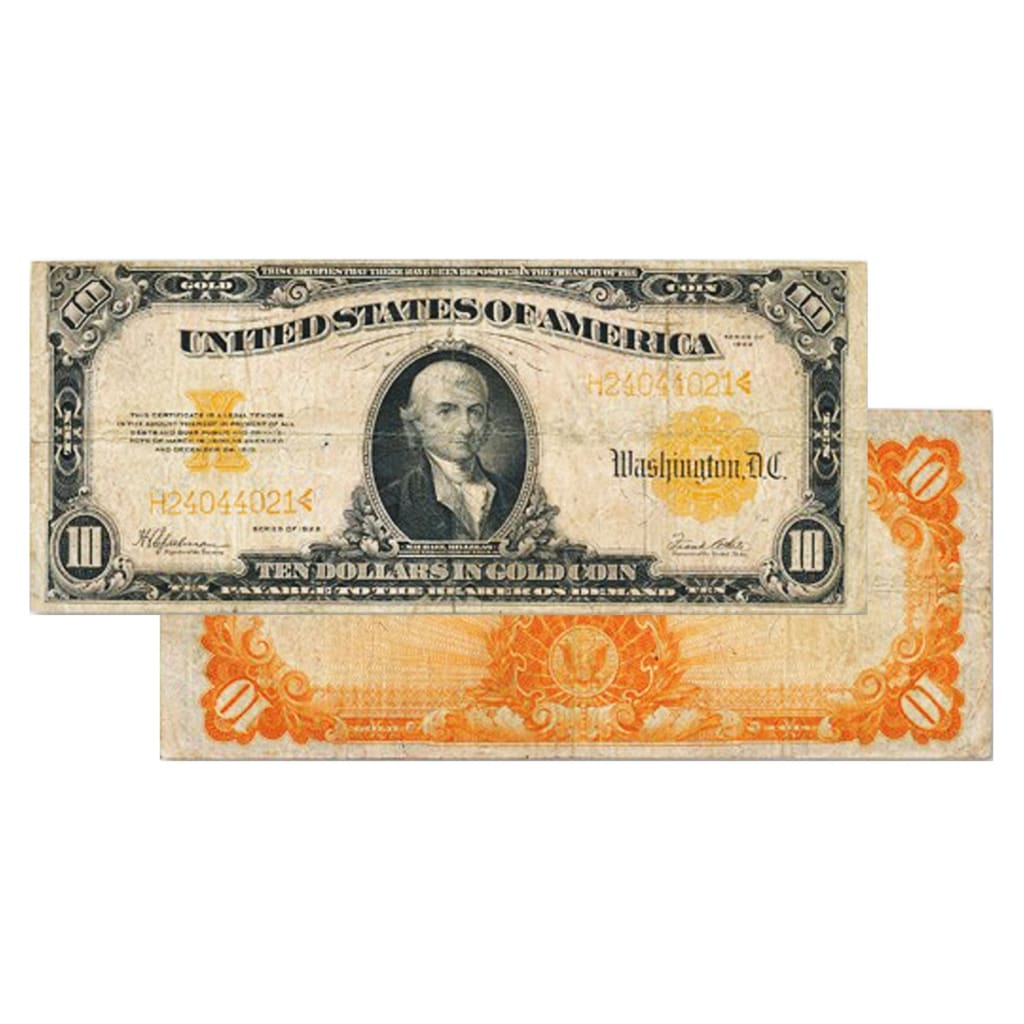
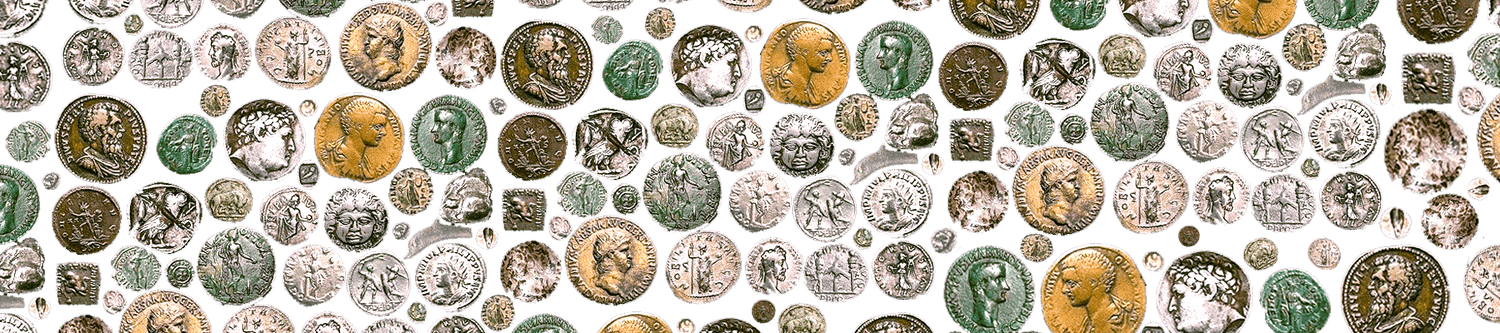
Numismatic coins are collectible coins whose value is influenced by factors beyond metal content. These factors may include:
- Rarity
- Historical significance
- Age
- Condition or grading
- Collector demand
Because of these variables, numismatic coins often sell at prices far above their intrinsic metal value. Two coins with the same gold content may have vastly different prices depending on condition and scarcity.
Unlike bullion, numismatic prices can move independently of gold and silver markets. A rise in gold prices does not guarantee a similar increase in numismatic coin values, and vice versa.
How Pricing Differs Between Bullion and Numismatics
Bullion pricing is relatively transparent. Buyers can easily compare prices across dealers because products are standardized and widely traded. Premiums tend to be modest and predictable.
Numismatic pricing is far less transparent. Premiums can vary significantly depending on grading, market sentiment, and dealer markup. Accurate valuation often requires specialized knowledge and experience.
For inexperienced buyers, this complexity increases the risk of overpaying or purchasing coins that are difficult to resell.
Liquidity and Ease of Resale
Liquidity is one of the biggest differences between bullion and numismatic coins.
Bullion coins are highly liquid. Because they are widely recognized and standardized, they can typically be sold quickly to dealers at prices close to the current spot price.
Numismatic coins can be more difficult to sell. Finding the right buyer may take time, and resale value depends heavily on collector demand at the time of sale. In some cases, sellers may receive significantly less than what they originally paid.
Risk and Knowledge Requirements
Bullion is generally considered lower risk for most buyers. Pricing is straightforward, market behavior is well understood, and resale options are plentiful.
Numismatics carry higher risk, particularly for buyers without deep knowledge of the collectible coin market. Grading disputes, market cycles, and shifting collector preferences can all affect value.
For this reason, numismatic coins are typically better suited to experienced collectors rather than first-time precious metals buyers.
Which Is Better for Investors?
For investors focused on:
- Wealth preservation
- Inflation hedging
- Portfolio diversification
- Long-term value
Bullion is usually the preferred option.
Bullion offers direct exposure to precious metals prices without the added complexity and premiums associated with collectible coins.
When Numismatic Coins May Make Sense
Numismatic coins may be appropriate for buyers who:
- Have a strong interest in coin collecting
- Understand grading and rarity
- Are comfortable with higher premiums and longer holding periods
- View coins as collectibles first, investments second
In these cases, numismatics can provide enjoyment and potential upside, but they should be approached with realistic expectations.
Conclusion
Bullion and numismatic coins may look similar, but they serve fundamentally different purposes. Bullion is designed for investors seeking simplicity, transparency, and liquidity. Numismatic coins are collectibles whose value depends on factors beyond metal content.
For most buyers—especially those new to precious metals—bullion offers a clearer, more predictable path to ownership. Understanding the difference helps ensure your purchases align with your goals and reduces the risk of costly mistakes.