

Introduction
Buying gold bullion for the first time can feel intimidating. Prices fluctuate, terminology can be unfamiliar, and many buyers worry about making costly mistakes. Fortunately, purchasing gold bullion does not require expert-level knowledge—just a clear understanding of a few fundamentals.
Gold bullion has been used for centuries as a store of value and remains a popular way to preserve wealth and diversify portfolios. This guide walks beginners through the basics of buying gold bullion with confidence, from choosing products to avoiding common pitfalls.
What Is Gold Bullion?
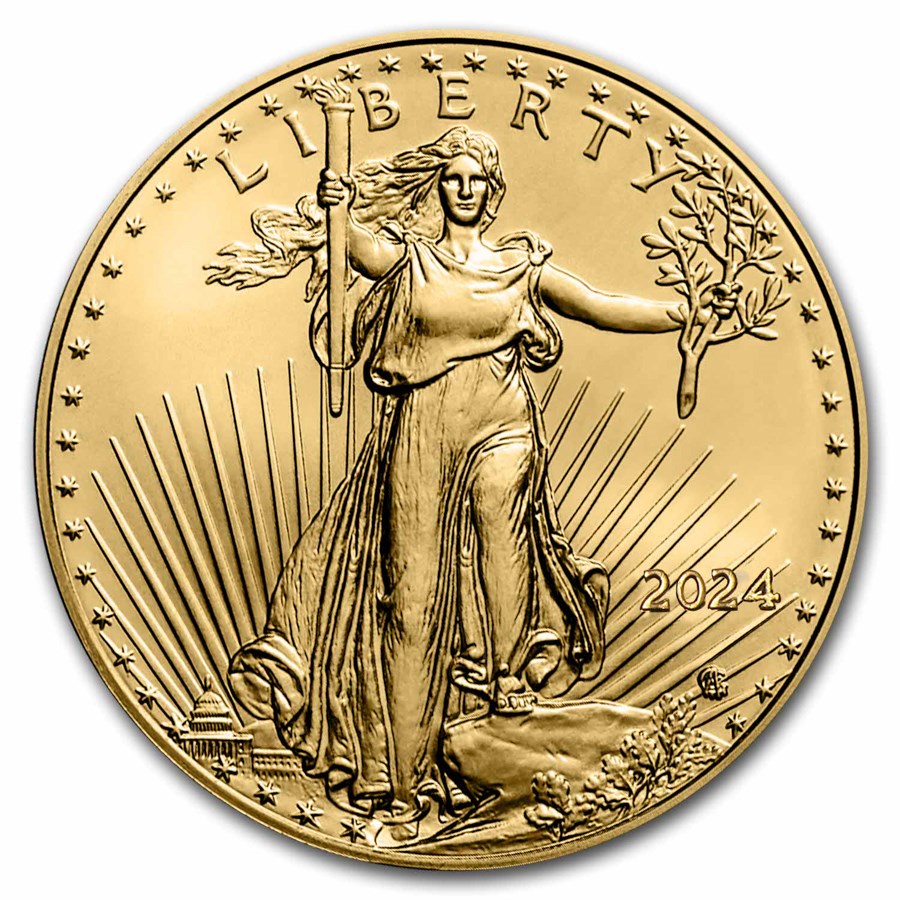
Gold bullion refers to physical gold products valued primarily for their gold content rather than rarity or collectibility. Bullion is typically produced as coins or bars and priced based on the current spot price of gold plus a premium.
Investment-grade gold bullion is usually at least .999 fine (99.9% pure), though some widely traded coins, such as American Gold Eagles, contain slightly lower purity but still qualify as bullion due to their standardized content and global recognition.
Coins vs Bars: Which Should Beginners Choose?
One of the first decisions new buyers face is whether to purchase gold coins or gold bars.
Gold bullion coins are often preferred by beginners because they:
- Are widely recognized and trusted
- Are easy to resell
- Come in standardized weights
- Are produced by government mints
Gold bars typically offer lower premiums per ounce, especially in larger sizes. However, they may feel less familiar to first-time buyers and can require additional verification when reselling.
For many beginners, starting with well-known bullion coins provides simplicity and peace of mind, even if premiums are slightly higher.
How Much Gold Should You Buy?
There is no universal rule for how much gold someone should buy. The right amount depends on factors such as financial goals, overall net worth, and risk tolerance.
Many investors allocate a portion of their portfolio—often a modest percentage—to gold as a hedge against inflation and market volatility. Rather than making a single large purchase, some buyers choose to acquire gold gradually over time.
It is generally wise to buy gold with long-term ownership in mind rather than attempting to profit from short-term price movements.
Where to Buy Gold Bullion
Choosing where to buy gold bullion is just as important as choosing what to buy.
Reputable options include:
- Established precious metals dealers
- Well-known online bullion retailers
- Local coin shops with strong reputations
Buyers should look for dealers that offer transparent pricing, clear buy-back policies, and educational support. Avoid sellers who use high-pressure tactics or make guarantees about future price increases.
Understanding Pricing Before You Buy
Before purchasing gold bullion, it is important to understand how pricing works. The price you pay includes the spot price of gold plus a premium that covers production and distribution costs.
Comparing prices across reputable dealers can help ensure you are paying a fair premium. Be cautious of prices that appear significantly lower than market averages, as they may indicate hidden risks.
Common Mistakes First-Time Buyers Make
New buyers often make avoidable mistakes, including:
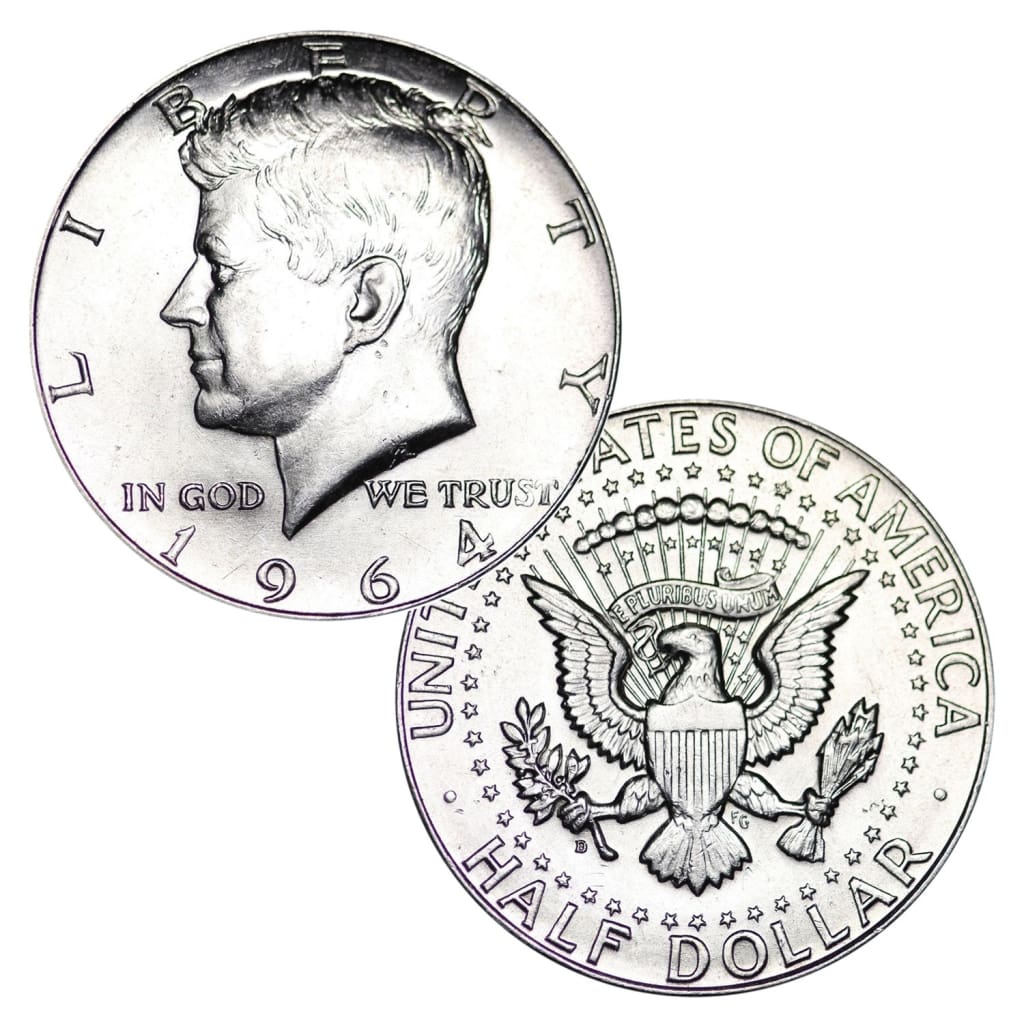
- Confusing bullion with collectible coins
- Overpaying for high-premium products
- Trying to time short-term market movements
- Buying from unfamiliar or unverified sellers
Education and patience are the best tools for avoiding these issues.
Storage Considerations for Beginners
Owning physical gold means taking responsibility for storage. Beginners should consider how and where their gold will be stored before making a purchase.
Options include home safes, bank safe deposit boxes, or professional storage services. The right choice depends on access needs, security preferences, and insurance considerations.
Conclusion
Buying gold bullion does not have to be complicated. By understanding what bullion is, choosing appropriate products, working with reputable dealers, and focusing on long-term goals, beginners can approach gold ownership with confidence.
Gold bullion is not about speculation—it is about stability, diversification, and preserving value over time. With the right foundation, first-time buyers can make informed decisions that align with their financial objectives.