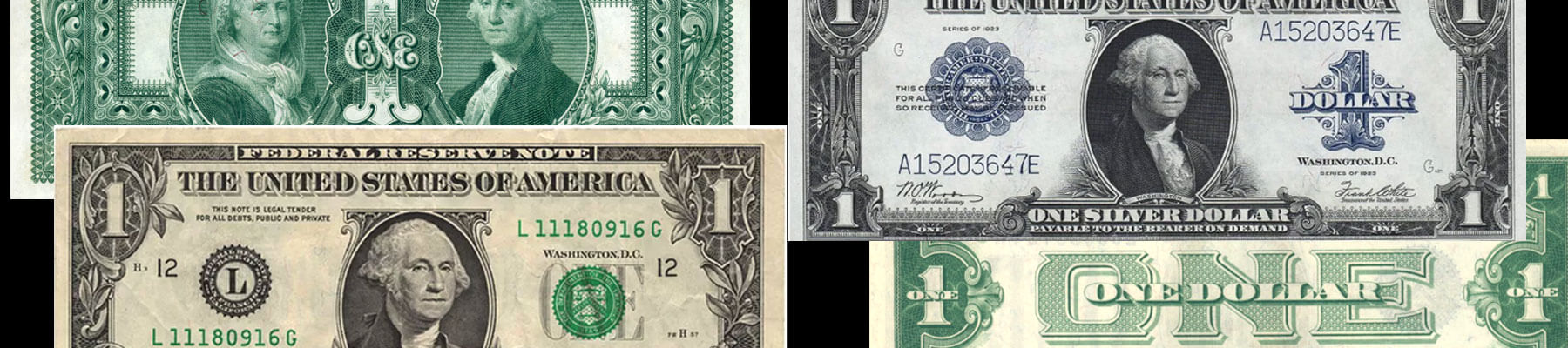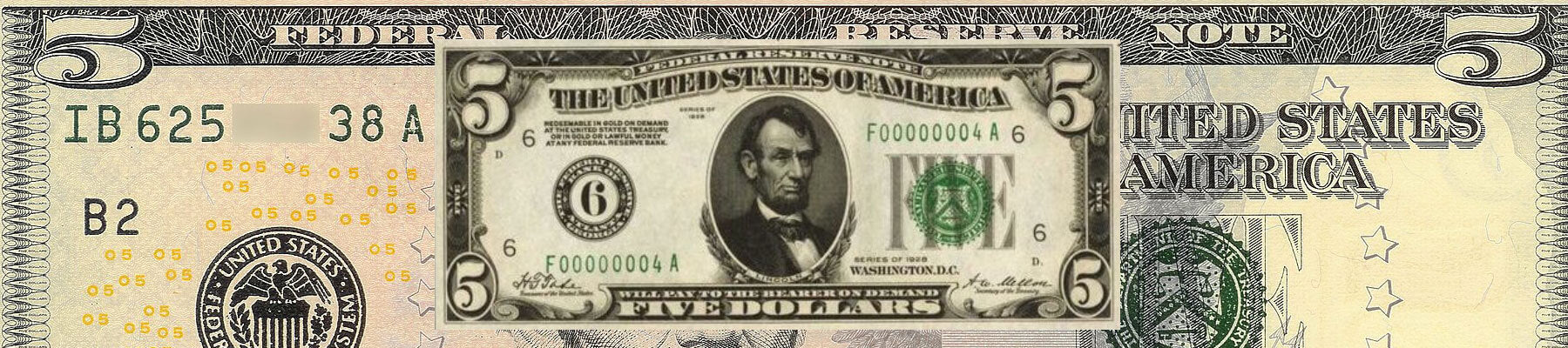
Silver certificates have a history that stretches across nearly a century of American economic and political life. Understanding that history helps explain not only what these notes are, but why they were created, how they evolved, and why production ultimately ended. For collectors and investors, this context adds meaning to the notes themselves.
The Economic Climate That Created Them
To understand silver certificates, it helps to understand the monetary debates of the late 19th century.
Following the Civil War, the United States adopted a strict gold standard, meaning the dollar was tied to gold reserves held by the government. This limited the money supply and created deflationary pressure — prices fell, debts became harder to repay, and economic hardship spread through farming communities and the industrial working class.
At the same time, large silver deposits were being discovered and mined throughout the American West, particularly in Nevada, Colorado, and Montana. Silver miners, farmers, and populist political movements all pushed for silver to be incorporated into the monetary system. More silver-backed currency meant an expanded money supply, which these groups believed would ease economic conditions.
The debate between gold and silver interests dominated American politics through the 1870s, 1880s, and 1890s, culminating in one of the most famous speeches in U.S. political history — William Jennings Bryan's "Cross of Gold" address in 1896. The silver interests ultimately lost that political battle, but not before securing several significant legislative victories that shaped the currency for decades.
The Bland-Allison Act of 1878
The first major legislative win for silver interests was the Bland-Allison Act, passed by Congress in February 1878. The act required the U.S. Treasury to purchase between two and four million dollars' worth of silver each month and coin it into silver dollars. It also authorized the issuance of silver certificates — paper notes backed by the silver dollars held in reserve.
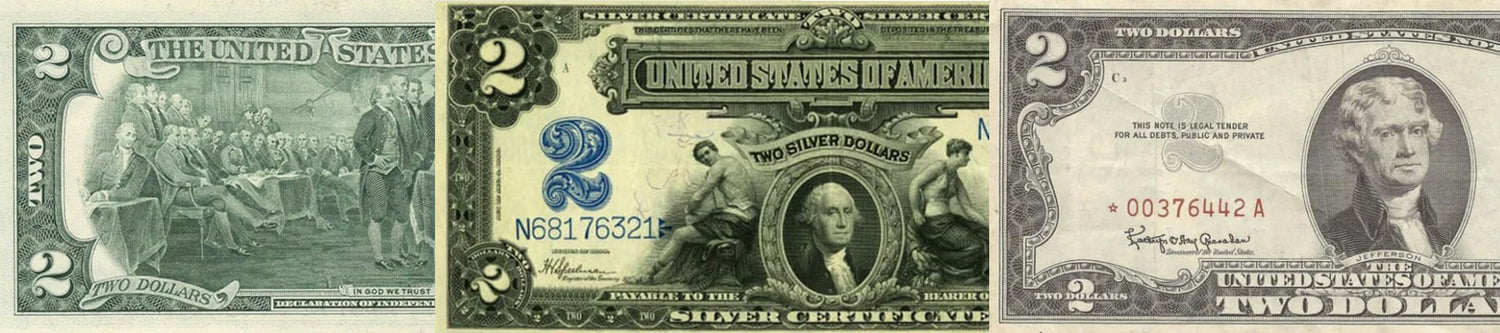
The original silver certificates issued under this act were large-size notes, printed on paper considerably larger than modern currency. They were issued in denominations ranging from $1 to $1,000 and featured elaborate engraved designs that are highly sought after by collectors today.
These early notes were commodity-backed in a direct sense: each certificate was backed by an equivalent value of silver coin sitting in a Treasury vault.
The Sherman Silver Purchase Act of 1890
Twelve years after Bland-Allison, silver interests secured another expansion of silver purchasing with the Sherman Silver Purchase Act of 1890. This act increased the government's required silver purchases to 4.5 million ounces per month — a significant increase that flooded the Treasury with silver and expanded the supply of silver-backed currency.
The Sherman Act proved short-lived. The financial panic of 1893 triggered a severe economic contraction, and President Grover Cleveland attributed much of the instability to the oversupply of silver currency. Congress repealed the Sherman Act later that year.
Despite the repeal, silver certificates continued to circulate and be issued under existing authority. The political pressure behind silver currency had weakened, but the notes themselves remained a standard part of the monetary system.
The Transition to Small-Size Notes in 1928
For the first half century of their existence, silver certificates were printed in the large-size format used for all U.S. paper currency at the time. In 1928, the federal government undertook a comprehensive redesign of American currency, reducing all notes to the smaller size still used today.
The transition affected all currency types, including silver certificates. New small-size silver certificates were issued beginning in 1928, with cleaner designs and standardized dimensions. The large-size notes from earlier series remained legal tender but gradually disappeared from circulation.
The Series 1928 small-size silver certificates are the starting point for most modern collectors focusing on silver certificates, as they represent the beginning of the format most people recognize today.
Series 1934, 1935, and the World War II Era
Production of silver certificates continued through the 1930s and 1940s, with several notable series issued during this period.
The Series 1934 notes were issued across multiple sub-series and included higher denominations that were widely used in commerce. During World War II, specially marked silver certificates were issued for use in combat zones. North African and Hawaiian overprints were applied to $1 silver certificates so that, if captured by enemy forces, the notes could be declared worthless. These wartime issues are among the most distinctive and collectible silver certificates produced.
The Series 1935 $1 note became one of the most widely produced silver certificates in history, issued across eight sub-series from 1935 through 1935H. Billions of these notes were printed, making them the most commonly encountered silver certificates today. Within the 1935 series, the 1935A "R" and "S" experimental notes are a notable exception — issued in limited quantities to test different paper types, they carry a significant premium over standard 1935A notes.
Series 1957 and the Final Years
The Series 1957 $1 silver certificate was the last widely circulated series issued before production wound down. Printed in three sub-series — 1957, 1957A, and 1957B — these notes are extremely common and represent the endpoint of mass silver certificate production.
By the late 1950s and early 1960s, the economics of silver had changed significantly. Rising silver prices made it increasingly expensive to back currency with the metal, and policymakers began moving away from commodity-backed currency altogether. The final silver certificates were issued in 1964.
The End of Redemption in 1968
Even after production ceased in 1964, existing silver certificates remained redeemable for silver. That changed on June 24, 1968, when Congress formally ended the right to redeem silver certificates for silver. After that date, the notes remained legal tender but could no longer be exchanged for physical metal.
The end of redemption marked the close of nearly 90 years of silver-backed American currency. Silver certificates became, at that point, collectibles as much as currency — legal tender by law, but no longer connected to the commodity that gave them their original purpose.
Why the History Matters for Collectors
The long production run of silver certificates means there is genuine variety within the series. Notes from the large-size era, wartime overprint issues, experimental sub-series, and scarce early small-size series all occupy different positions in the collector market.
Understanding when a note was made, under what legislative authority, and in what quantity helps place any individual certificate in context. A common 1957B note and a large-size 1896 Educational Series $1 silver certificate are both silver certificates — but their historical significance and collector value are worlds apart.