
Introduction
The gold market attracts investors seeking stability and long-term value, but it also attracts bad actors looking to exploit inexperience and fear. While most precious metals dealers operate ethically, scams do exist, particularly during periods of economic uncertainty or rising gold prices.
Understanding common gold bullion scams and knowing how to avoid them helps protect both your investment and your peace of mind. This article outlines the most frequent scams and the practical steps buyers can take to stay safe.
Fake or Counterfeit Gold Products
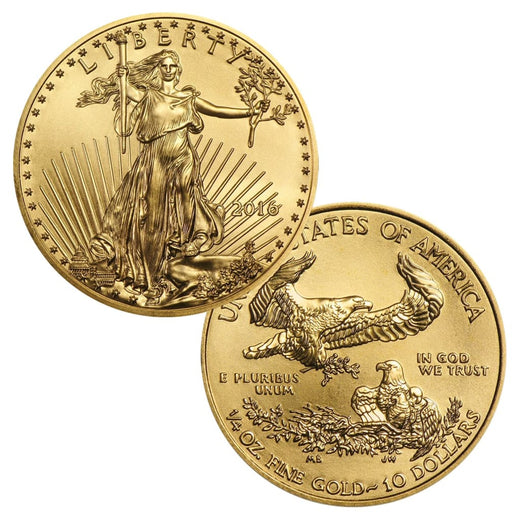
One of the most serious scams involves counterfeit gold bars or coins. These products may look authentic but contain little or no gold.
Counterfeits are often:
- Plated with gold over a base metal
- Falsely stamped with reputable refiner names
- Sold through unverified online marketplaces
Buying from established dealers and choosing widely recognized bullion products significantly reduces this risk.
Unrealistically Low Prices
Prices that appear far below market value are a major red flag. Gold is globally traded, and pricing is highly competitive among legitimate dealers.
Scammers use low prices to create urgency and bypass careful decision-making. If a deal seems too good to be true, it usually is.
High-Pressure Sales Tactics
High-pressure sales tactics are commonly associated with overpriced or inappropriate products. These may include:
- Claims that prices are about to skyrocket
- Urging immediate action to avoid loss
- Discouraging independent research
Reputable dealers educate rather than pressure their customers.
Misrepresented Numismatic Coins
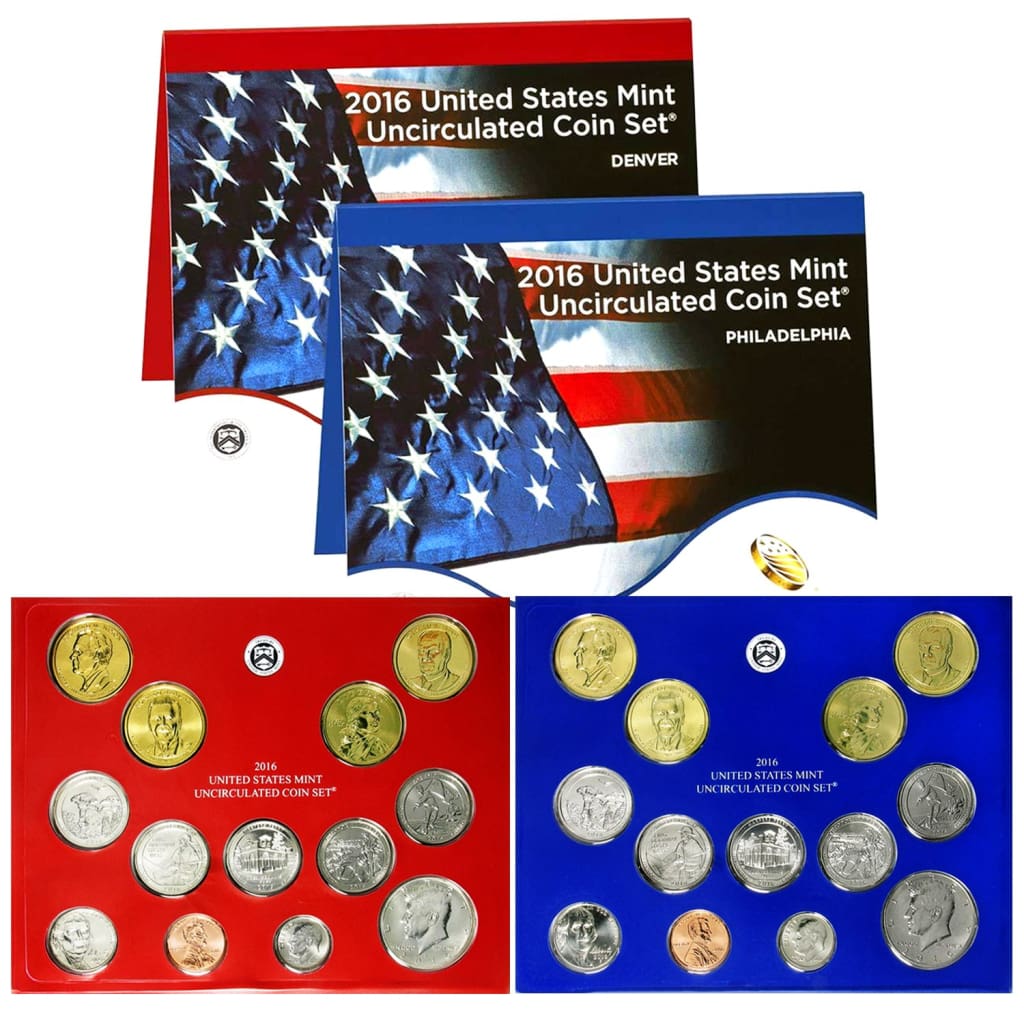
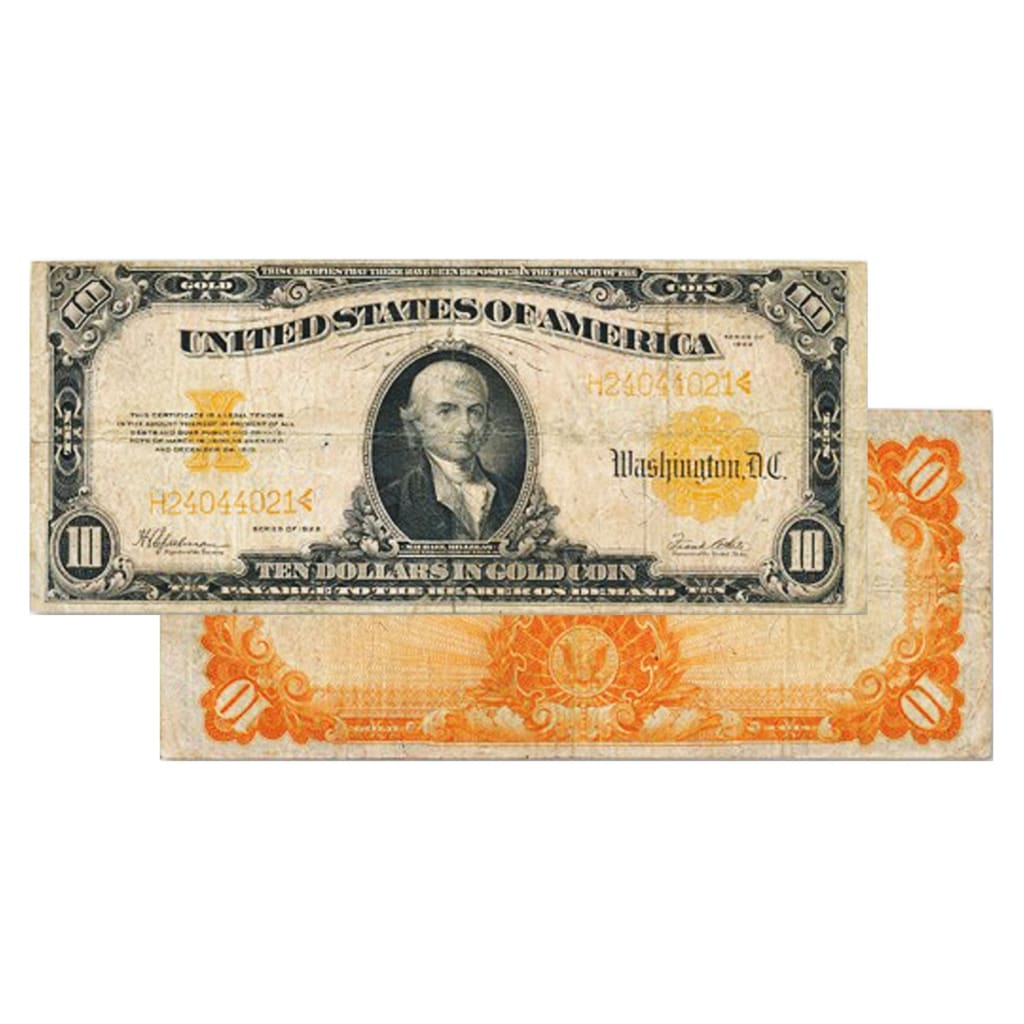
Some sellers market numismatic or collectible coins as “investment-grade” bullion while charging extremely high premiums.
Buyers unfamiliar with the differences between bullion and collectibles may overpay for coins that are difficult to resell at comparable prices.
Understanding product categories helps prevent this type of misrepresentation.
Online Marketplace Risks
Online marketplaces and peer-to-peer platforms can expose buyers to additional risk. While legitimate sellers exist, verification and recourse options are often limited.
Lack of clear return policies, vague product descriptions, and unverified sellers increase the likelihood of fraud.
How to Verify a Reputable Dealer
Trusted dealers typically offer:
- Transparent pricing tied to spot prices
- Clear buy-back policies
- Verifiable business history
- Educational resources
Researching a dealer before purchasing is one of the most effective ways to avoid scams.
Safe Buying Practices
To reduce risk:
- Buy from established, reputable dealers
- Avoid pressure-driven decisions
- Understand pricing and premiums
- Verify product specifications
Education and patience are the strongest safeguards.
Conclusion
Gold bullion scams are avoidable with the right knowledge and precautions. By recognizing common red flags and working with reputable dealers, investors can protect themselves and focus on the long-term benefits of precious metals ownership.
An informed buyer is far less likely to fall victim to fraud.