

Introduction
Gold purity is one of the most important characteristics of any gold product, yet it is also one of the most misunderstood. Terms like 24 karat, 22 karat, and .999 fine are commonly used, but many buyers are unsure what they actually mean or how they affect value.
Understanding gold purity helps investors evaluate products accurately, compare bullion options, and avoid confusion when purchasing or selling gold. This article explains how gold purity is measured and what those measurements mean for bullion buyers.
What Does Gold Purity Mean?
Gold purity refers to the proportion of pure gold contained in a product. Because pure gold is soft, it is sometimes mixed with small amounts of other metals to improve durability, depending on the product’s intended use.
Purity is expressed using two main systems:
- Karats (K)
- Fineness
Both systems communicate how much pure gold is present, just in different ways.
Understanding the Karat System
The karat system measures gold purity on a scale of 24 parts.
- 24K gold is pure gold, meaning all 24 parts are gold
- 22K gold contains 22 parts gold and 2 parts other metals
- 18K gold contains 18 parts gold and 6 parts other metals
In this system, higher karat numbers indicate higher gold content. Karats are commonly used to describe jewelry and certain gold coins.
What Does .999 Fine Gold Mean?
Fineness expresses purity as a decimal representing the percentage of pure gold in a product.
- .999 fine gold means 99.9% pure
- .9999 fine gold means 99.99% pure
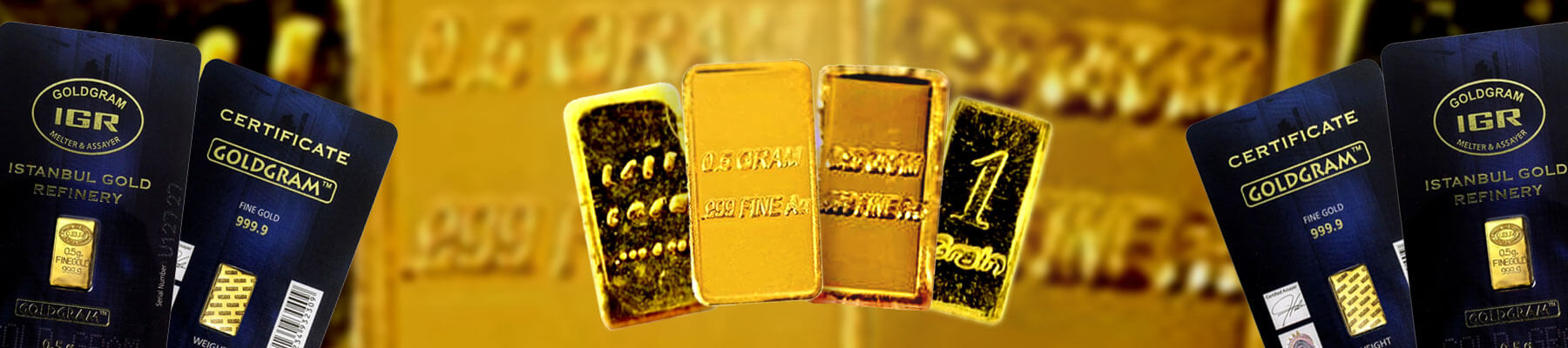
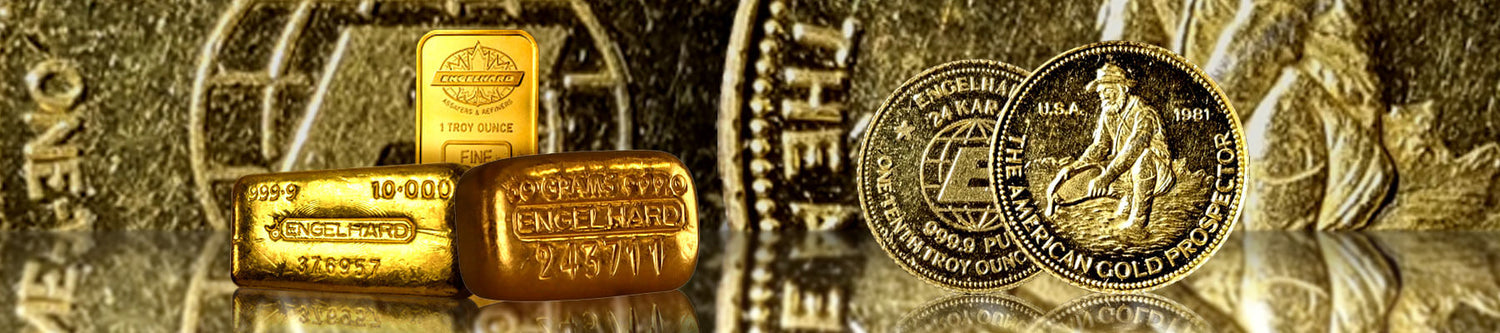
Most modern gold bullion bars and many bullion coins are produced at .999 or higher fineness. This standard is widely accepted in global precious metals markets and is commonly used for investment-grade gold.
Why Some Bullion Coins Are Not 24K
Some well-known bullion coins, such as the American Gold Eagle, are not 24K gold. Instead, they are typically 22K but still contain a full troy ounce of pure gold.
The additional metals increase durability and resistance to wear, which is beneficial for coins intended to be handled or circulated. Despite lower fineness, their gold content is precisely measured and internationally recognized.
Does Higher Purity Mean Higher Value?
Gold value is based primarily on the amount of pure gold contained in a product, not just its purity percentage. A 22K coin containing one troy ounce of gold has the same intrinsic gold value as a 24K bar containing one troy ounce.
However, purity can affect:
- Market preference
- Premiums
- Storage and handling considerations
Higher-purity products are often preferred for long-term storage and international trading.
Purity, Durability, and Intended Use
Pure gold is soft, which is why lower-purity alloys are often used for jewelry or coins meant for handling. Investment-grade bullion, which is typically stored rather than worn, prioritizes purity over durability.
Understanding the relationship between purity and use helps buyers select products appropriate for their goals.
How to Verify Gold Purity
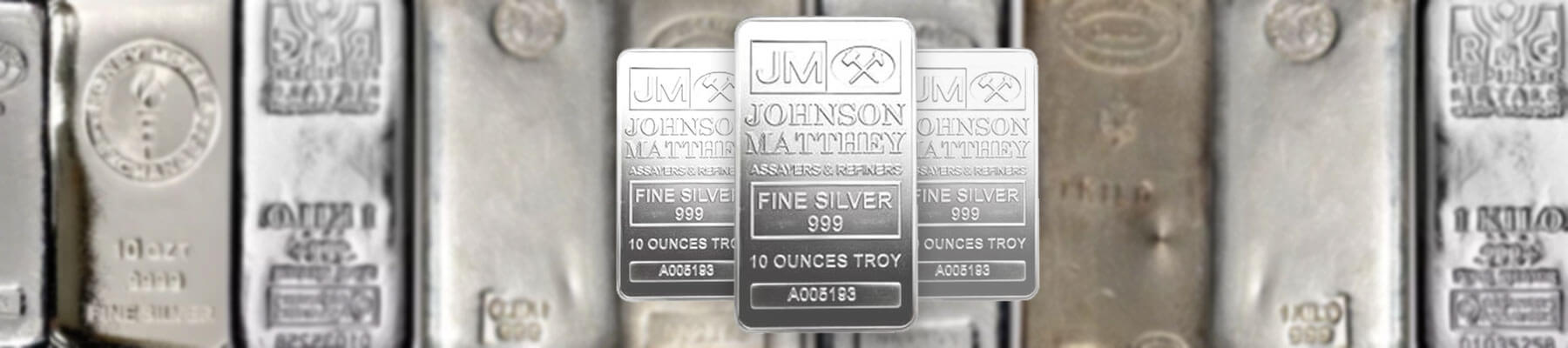
Reputable bullion products are clearly marked with purity and weight information. Purchasing from established dealers reduces the risk of misrepresentation.
Additional verification methods include assay cards, serial numbers, and third-party testing when necessary.
Conclusion
Gold purity is a foundational concept for anyone investing in physical gold. Whether expressed in karats or fineness, purity indicates how much pure gold a product contains and helps determine its value and suitability for different purposes.
By understanding purity standards, buyers can compare products confidently and make informed decisions aligned with their investment objectives.