




Introduction
Owning physical gold and silver bullion comes with an important responsibility: secure storage. Unlike digital assets or paper investments, precious metals require thoughtful planning to protect against theft, damage, and loss.
Choosing the right storage method depends on factors such as access, security, insurance, and personal comfort. This article outlines the most common storage options and best practices to help investors safeguard their bullion responsibly.
Key Principles of Bullion Storage
Regardless of where bullion is stored, a few core principles apply:
- Security: Protection against theft or unauthorized access
- Discretion: Limiting who knows about your holdings
- Accessibility: Ability to access metals when needed
- Insurance: Financial protection in the event of loss
Balancing these factors is essential to effective storage.
Home Storage Options
Many investors choose to store bullion at home for convenience and immediate access.
Common home storage methods include:
- High-quality safes bolted to the structure
- Hidden storage solutions
- Secure lockboxes
Home storage offers control and privacy but also carries responsibility. Safes should be fire-resistant, securely installed, and discreetly placed. Insurance coverage should be reviewed carefully, as standard homeowners policies may not fully cover precious metals.
Bank Safe Deposit Boxes
Bank safe deposit boxes provide an additional layer of physical security. They are housed within secure bank vaults and offer protection from theft and fire.
However, safe deposit boxes have limitations:
- Restricted access hours
- No insurance provided by the bank
- Temporary inaccessibility during bank closures
Some investors use safe deposit boxes for long-term storage while keeping smaller amounts accessible at home.
Professional Vault Storage
Professional storage facilities specialize in precious metals custody. These services often offer:
- High-security vaults
- Insurance coverage
- Allocated or segregated storage options
Professional storage can be ideal for larger holdings or investors who prefer third-party security. It does, however, involve ongoing storage fees.
Allocated vs Unallocated Storage
When using professional storage, it is important to understand the difference between allocated and unallocated storage.
- Allocated storage: Specific metals are held in your name
- Unallocated storage: Metals are pooled and not individually identified
Allocated storage offers greater ownership clarity and is often preferred by investors seeking full control.
Storage Considerations for Silver
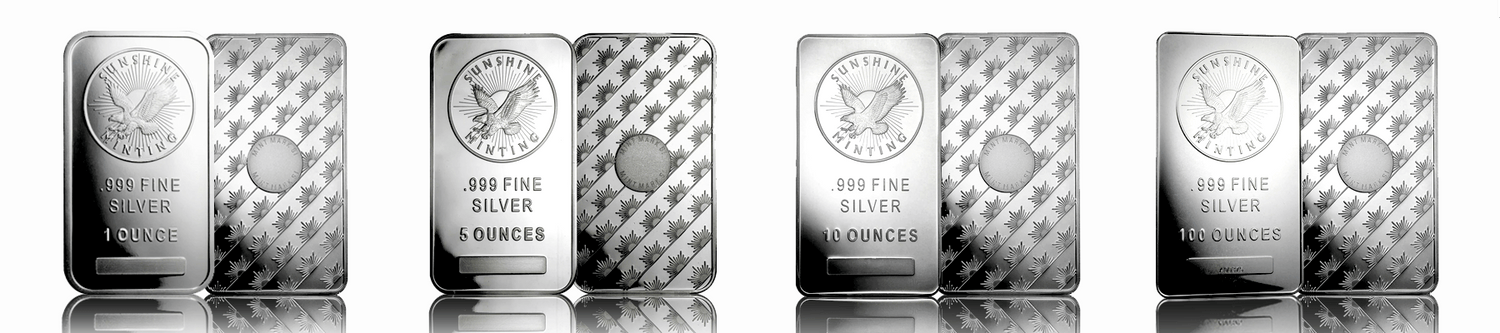
Silver requires more physical space than gold for the same value, which can influence storage decisions. Larger volume may increase storage costs and logistical considerations.
Proper packaging helps prevent tarnishing and physical damage over time.
Recordkeeping and Documentation
Maintaining accurate records is an often-overlooked aspect of storage. Documentation should include:
- Purchase receipts
- Serial numbers (if applicable)
- Storage locations
Clear records simplify insurance claims, estate planning, and resale.
Conclusion
Safe storage is a critical part of owning gold and silver bullion. Whether choosing home storage, a bank safe deposit box, or professional vaulting, investors should prioritize security, discretion, and proper documentation.
By planning storage carefully, bullion owners can protect both their physical assets and their peace of mind.